P.01
Spec sheet
We listen, ask, sharpen the detail. Anything unclear is settled before design — not after acceptance.
We build special-purpose machines for automation tasks. From spec sheet to accepted machine — mechanics, electrics, software, service all in-house. Also for applications far outside classic metal forming.
Whoever writes the spec later sees the machine run. For us that's the norm — no hand-overs between engineering, build and commissioning.
We listen, ask, sharpen the detail. Anything unclear is settled before design — not after acceptance.
Mechanics and electrics from our own design office. PLC and Aurora HMI on top. No third party in engineering.
Our own milling centre, our own control-cabinet shop, our own assembly. What we don't make ourselves goes to trusted suppliers.
Whoever builds it runs it up. Service and spare parts from the same house — across the entire life cycle.
A selection from Eckardt practice. Every system custom, every one to spec, every one in-house.
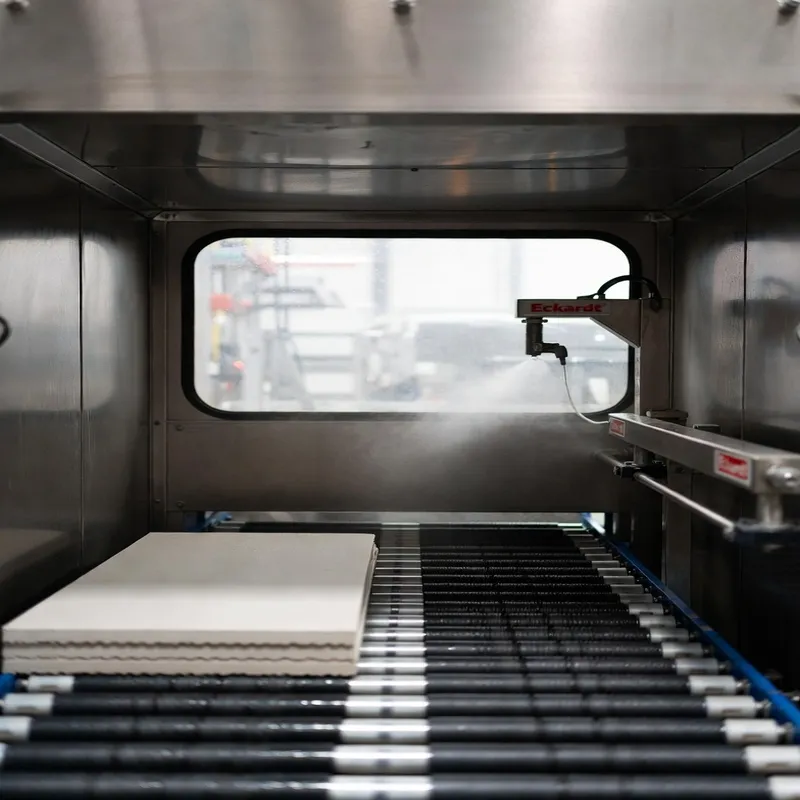
Wetting system for fibre-cement / drywall boards. 3.4 m spray chamber, parts up to 650 × 650 mm at 20–60 mm thickness, with a belt filter for the hydrophobizing agent. Entirely outside metal forming.
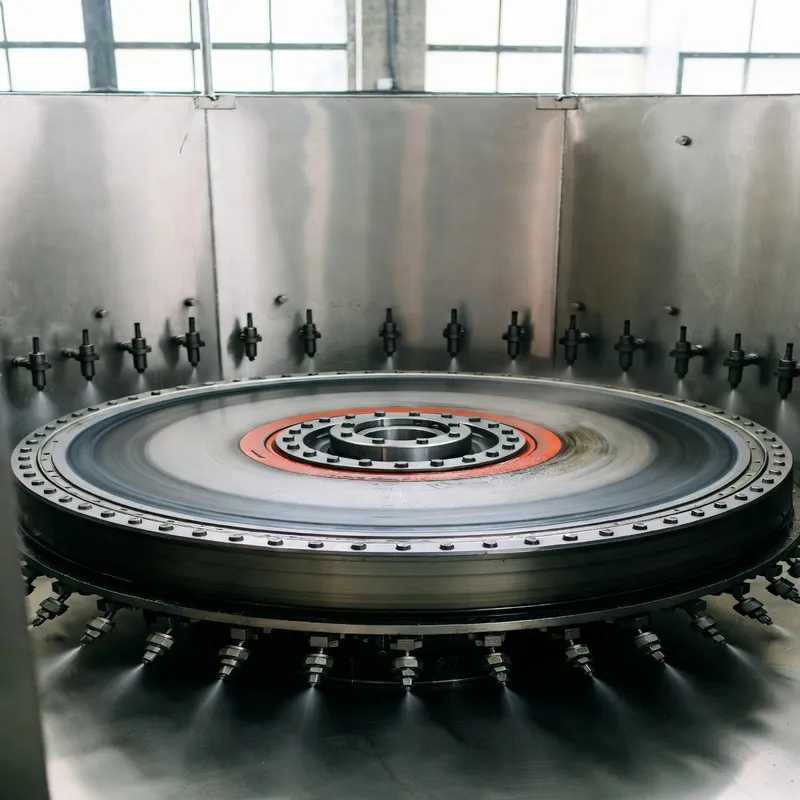
Spray system for rolling bearings 2,200 – 6,200 mm in diameter. Bearings rotate during spraying, overspray extraction integrated. Own control with interfaces to the existing plant.
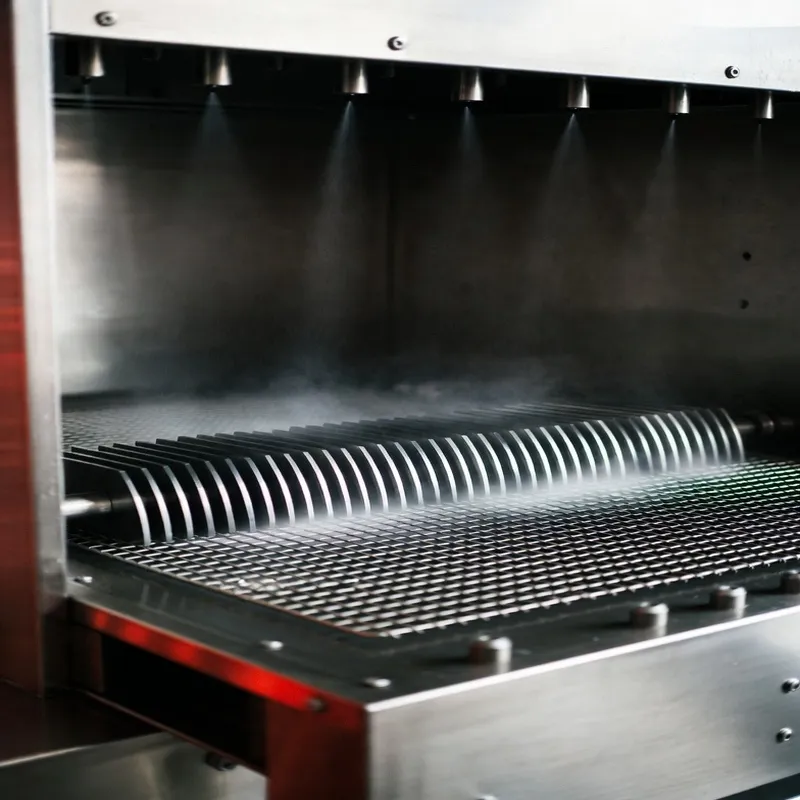
EOS1-300 with two oil types and reversing operation. The blade carrier runs through the system forward and back. Single-sided oiling with high repeatability for cutting-tool manufacturers.
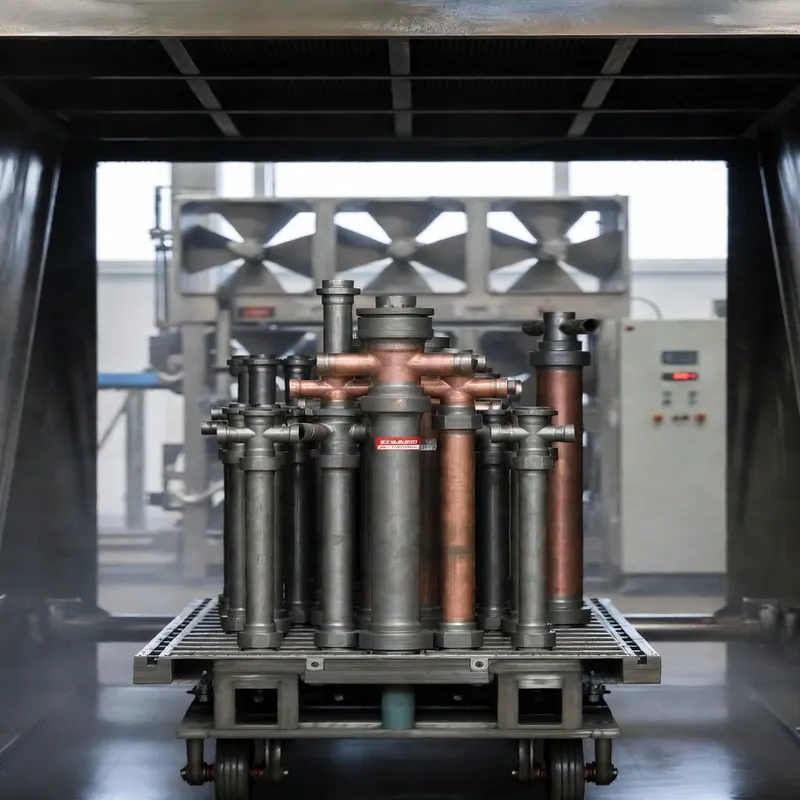
EOS 1 for six copper-tube nominal sizes. Spray nozzles adjustable in height and pass direction, three nozzles per tube. Drying unit with 16 cross-flow fans. EODA extraction integrated.
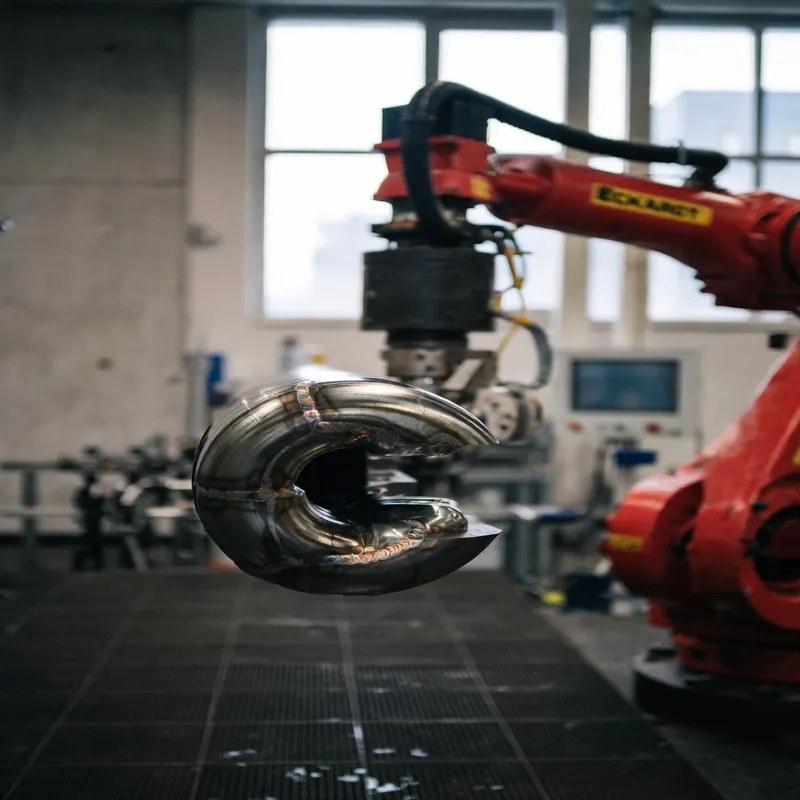
For internal high-pressure forming. Parts fed by robot, 1,200 × 1,200 mm oiling area, spray bars on a cassette system. Integrated into existing bending and press lines.
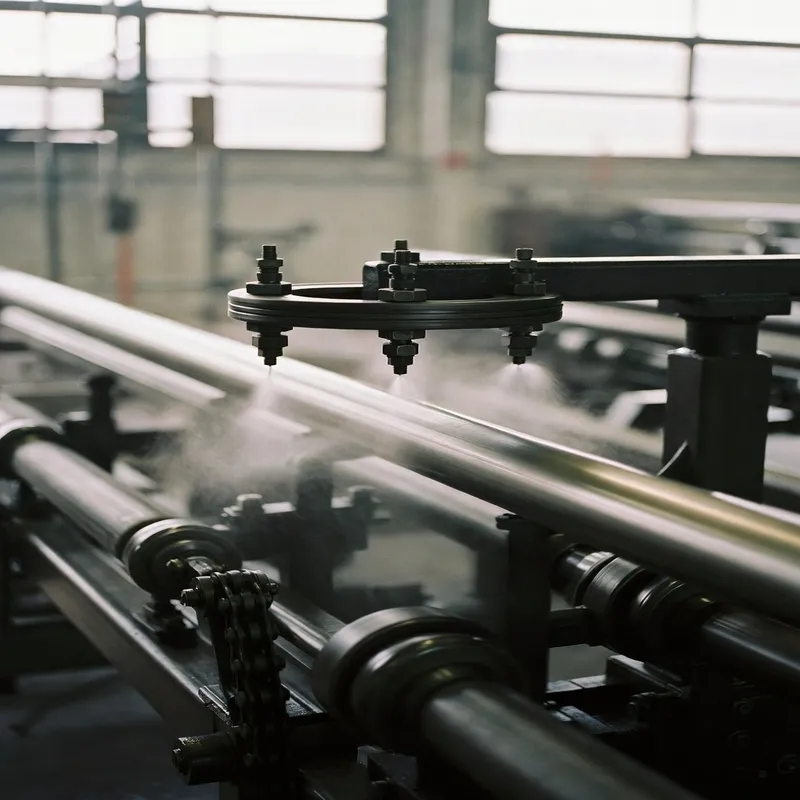
Three spray nozzles staggered at 120° around the bar to be coated. Steel pressure tanks for several oil types, part detection as the spray trigger. For semi-finished producers and wire production.
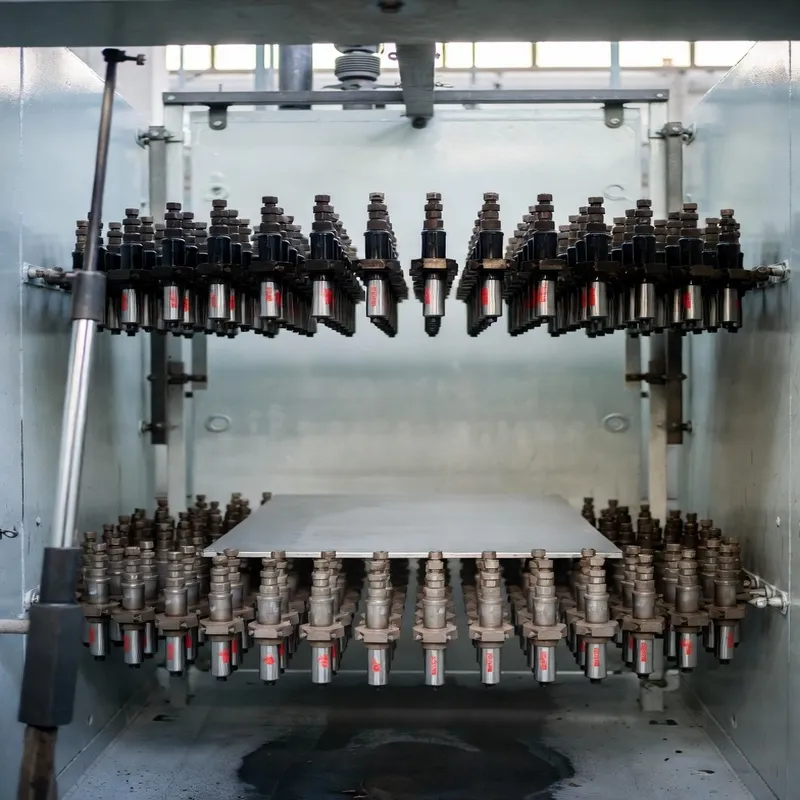
Special variant with an X-shaped, narrowed spray chamber and 2×34 nozzles. Chequerboard application pattern for two oil types in parallel. Blanks up to 1700 × 2500 mm.
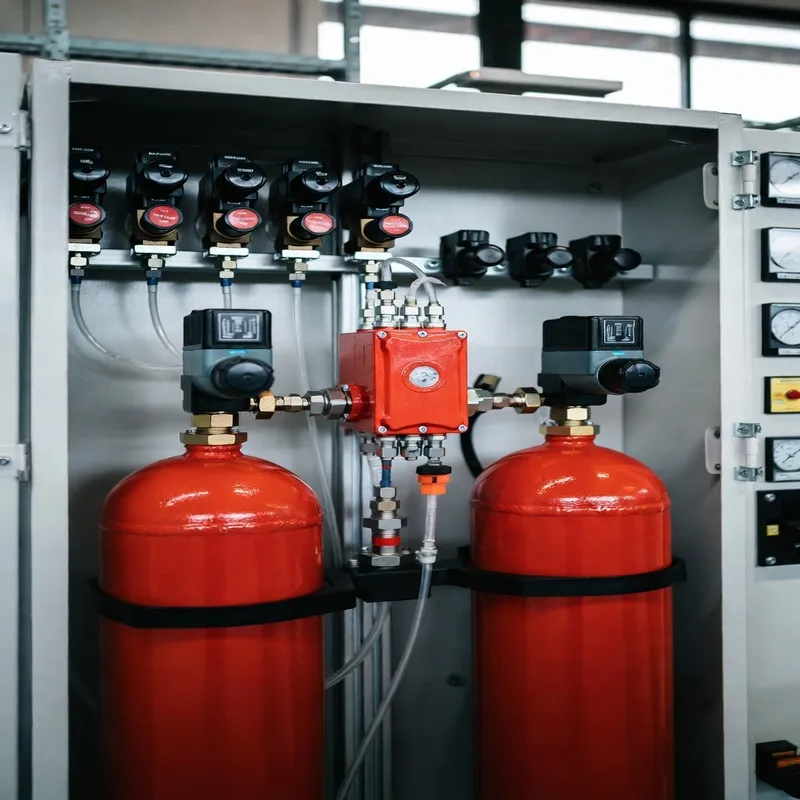
Metering system with 6× tool-lubrication valves, each valve individually controllable in the Aurora HMI and storable in recipe management. Plus a roller-oiler connection for strip feed.
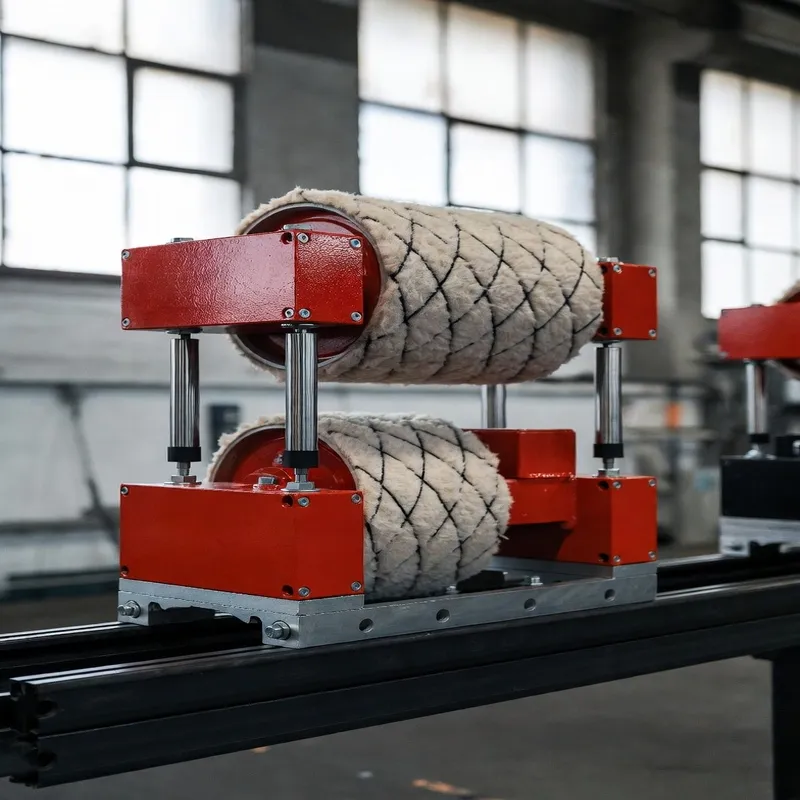
Two WF110-WG-DH in series on a feed console with a cascade tank for 2 oil types in parallel. Double-stroke pneumatics for maximum flexibility.
We build the felt oiler for tea-bag wire and the combined line for outer-body-panel production in the press shop. And we build systems for tasks that don't fit the oiling pattern — wetting, hydrophobization, dip preservation. Whatever makes sense to build as a special-purpose machine, we build.
Compact special tasks — from a simple felt oiler to a mechatronic module for on-site integration.
Combined lines with coil handling, brush cleaning, oiling and preservation in one line. Up to 4500 mm strip width. Press-line ready for global OEMs.
When the task fits no category: design from a sketch. We develop what can't be bought anywhere — provided it's cleanly solvable in engineering terms.
We are not the cheapest supplier. In return, there are no surprises at acceptance — neither in price nor in function.
34 employees. Small enough that you can speak with the management when it matters. Big enough for high-volume systems.
Commissioning by the build team. Service and spare parts from the same house. If something needs changing, the answer comes straight from the design engineer.
A sketch, a spec sheet, or an open question. We review it and come back with feasibility, effort and price range — honestly. If the project isn't a fit for our house, we say so.